

Every marketing case teaches useful lessons. However, many digital marketers never document what they learn. As a result, they miss useful opportunities to improve future campaigns and show their expertise. Instead, they often move on to the next project without recording the lessons they gained.
This guide explains why every digital marketer should document experiments and create case studies to improve SEO, content strategy, campaign results, and long-term marketing success. In addition, you’ll discover practical steps for organizing your findings and building a portfolio that showcases real marketing results.
Why Every Digital Marketer Should Create Case Studies
Many marketing portfolios look impressive at first glance. They often include blog posts, social media campaigns, paid advertisements, email campaigns, and website designs. However, impressive visuals alone are no longer enough to convince employers or clients.
Today, businesses want evidence that your strategies produced clear results. Therefore, explaining the thinking behind your work is just as important as showing the finished campaign. For example, a well-documented case study explains the problem, the strategy, the results, and the lessons learned. As a result, employers and clients gain a better understanding of your skills and decision-making process.
Whether you’re applying for a new job, attracting freelance clients, at the same time building your personal brand, documented results carry far more value than screenshots alone.
What Makes a Great Marketing Case Study
Many people believe a case study must showcase a huge success. However, that’s a common misconception.
In reality, some of the most useful case studies come from campaigns that didn’t perform as expected. Even so, these campaigns often provide important lessons that improve future marketing efforts.
When a campaign underperforms, it uncovers assumptions that need to change. As a result, you avoid repeating the same mistakes. Furthermore, those lessons often become more useful than a successful campaign because they highlight areas for improvement.
For this reason, every effective marketing case study should answer five simple questions:
- What problem were you trying to solve?
- What was your hypothesis?
- How did you run the experiment?
- What were the clear results?
- What will you do differently next time?
If you answer these questions honestly, you’ve already created a useful case study. Moreover, documenting every marketing case helps you build experience, improve future campaigns, and strengthen your professional portfolio.
A Simple Marketing Case Study Template
You don’t need a lengthy report. In fact, one page is usually enough.
Use the following structure to organize every case study.
| Section | What to Include |
|---|---|
| Objective | State your goal in one sentence. |
| Hypothesis | Explain what you expected to happen and why. |
| Setup | Describe the audience, tools, channel, and testing period. |
| Variations | Outline the control and test versions. |
| Key Metrics | Include your primary KPI and supporting metrics. |
| Timeline | Mention the campaign duration and sample size. |
| Results | Share real numbers, percentages, or conversions. |
| Key Learnings | Explain what the data taught you. |
| Next Steps | Describe what you’ll test next. |
Overall, a concise case study is easier to read, share, and reference later. Likewise, using the same format helps you compare experiments more effectively.
Marketing Case Study Example: Email Subject Line Test
Let’s look at a simple example.
Objective
Increase the open rate of a weekly B2B SaaS newsletter.
Hypothesis
Curiosity-driven subject lines will generate more opens than straightforward headlines because they encourage readers to click and learn more.
Test Setup
- Email list: 4,200 subscribers
- Audience split evenly (50/50)
- Sent on the same Tuesday morning
- No other campaign variables were changed
Subject Lines
Control
5 Ways to Reduce Customer Churn This Quarter
Variation
The Churn Mistake We Almost Missed
Results
- Control: 21.4% open rate
- Variation: 28.7% open rate
- 34% increase in opens
- Click-through rates remained almost the same.
Key Insight
Curiosity increased open rates. However, engagement stayed almost the same because the email content still influenced reader behavior.
Therefore, the subject line successfully attracted attention. Nevertheless, the email content still determined overall engagement. As a result, both elements should be impoved together.
Next Experiment
Test conversational, first-person subject lines to determine whether they improve both open rates and click-through rates over a longer period.
How to Start Documenting Marketing Case Study And Experiments
You don’t need expensive software or a complicated workflow. Instead, begin with campaigns you’re already running.
Email Marketing
Track subject line tests along with open rates, click-through rates, unsubscribe rates, and conversions.
SEO
Document title tag updates, meta description changes, keyword rankings, organic traffic, and click-through rates.
Social Media
Compare videos, carousels, static images, posting times, reach, and engagement over a 30-day period.
Paid Advertising
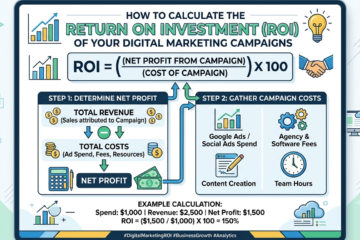
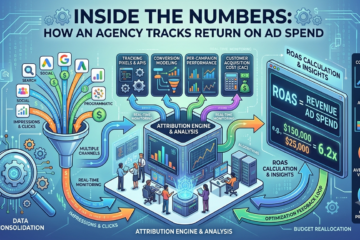
Record ad copy tests, conversion rates, cost per acquisition, click-through rates, and return on ad spend.
Even small experiments can produce valuable long-term lessons. Therefore, document every meaningful test instead of waiting for a perfect campaign.
Quick Checklist for Your First Marketing Case Study
Before your next campaign ends, make sure you:
- Choose one campaign to document.
- Write your hypothesis before seeing the results.
- Record results metrics after two to four weeks.
- Summarize your findings in about 200 words.
- Publish the case study on LinkedIn, your portfolio, your website, or your internal knowledge base.
Fortunately, documenting one case study each month takes less than an hour.
How Often Should You Publish Case Studies?
Consistency matters more than volume.
For example, publishing one thoughtful case study every month provides more value than posting several rushed updates.
A practical schedule looks like this.
Monthly
Publish one short case study about a completed marketing experiment.
Quarterly
Publish a detailed case study covering larger campaigns, multiple tests, and smart lessons.
Even if an experiment fails, share what you learned. As a result, employers and clients will recognize your ability to analyze data, adapt strategies, and continuously improve.
Build a Portfolio That Proves Your Skills
Overall, you’ll build more than a traditional portfolio. You’ll create a collection of marketing case studies backed by clear results. In short, employers and clients will see clear proof of your skills.
Finally, the next time you launch a marketing campaign, don’t just measure the results.
Document the story behind them.
Your future self—and your future opportunities—will thank you.