
In todays world people scroll through things fast. They will stop and look at pictures or videos. A good image or video gets peoples attention faster than text. This is the idea behind Visual Selling. If you own a business are a marketer or freelancer who is just starting to learn about Google Ads, the Google Display Network and YouTube Ads are places to start.
In this guide we will explain how these two channels work, when to use each one and give you a plan to help you set up your campaign.
Google Display Network versus YouTube Ads: What is the difference?
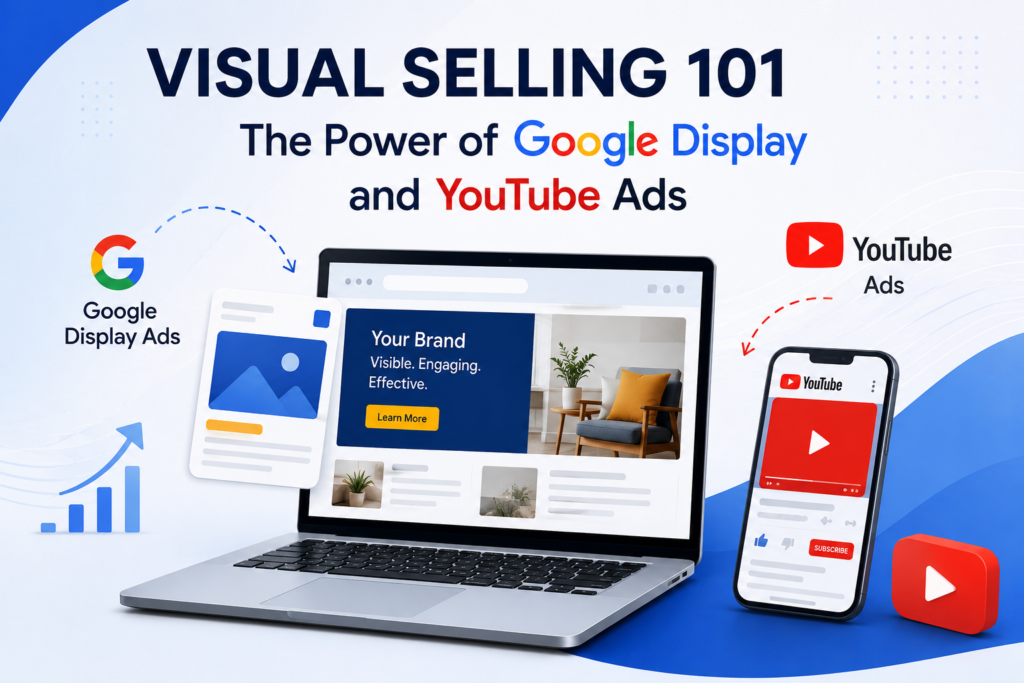
- The Google Display Network is a network that includes millions of websites apps and Google products like Gmail, where your picture or banner ads will appear. These ads are usually static have an animation and people see them when they are browsing the internet in the sidebars within the content or between articles.
YouTube Ads work in a way. They focus on videos. You can run types of ads like TrueView ads that people can skip bumper ads that are six seconds long and cannot be skipped and in-feed video ads. This format is great when you want to show people how they can feel about something tell a story or show them how a product works. Things that a static image cannot do.
A simple rule to remember is: Google Display ads give you a reach and are low-cost reminders. YouTube ads give you engagement. They help with storytelling.
When Should You Use Each Format?
- Do you need to get your name out to a lot of people? Use Google Display ads because they reach an audience at a cost. Google Display Network helps you reach an audience.
- Do you want to show people a demo or make them feel something? Use YouTube video ads, the ones that people can skip. YouTube Ads help you engage with your audience.
- Do you have a budget. Just want people to remember your brand? Use bumper ads. They are short, sharp and memorable. Bumper ads on YouTube are an option.
- Do you want to reach people who have already visited your website? Use Google Display ads, which change to fit the space they’re in. Google Display Network helps you target audiences.
Ad Creative Best Practices
- The success of ads depends a lot on the ad itself. Here are some important tips:
- Make sure your branding is consistent. Use the logo, colors and tone in all your Google Display ads and YouTube ads. This helps people remember you and click on your ads. Consistent branding is key.
- Do not put text in your ads. Google says that text should not cover than 20% of the image or your ad may not be shown to as many people. Keep your text short.
- Use a headline and a clear call-to-action. Use phrases like “Shop” or “Sign Up Free”. A clear call-to-action helps.
Quick Asset Checklist:
- Image specs: 1200×628 or 1200×1200 file size under 5MB
- Headline: keep it short under 30 characters
- Logo: provide both landscape versions on a background
- Video: make the brand or message clear within the 5 seconds and always add captions
Targeting and Bidding. Getting Started
- Both the Google Display Network and YouTube let you target audiences in ways:
- Demographics. Age, gender whether someone is a parent
- Interest/Affinity audiences. Broad lifestyle interests
- In-market audiences. People who are actively looking to buy something
- Placement targeting. Specific websites or YouTube channels you choose
For bidding beginners can start with cost-per-click or cost-per-thousand-impressions while cost-per-view is common for video campaigns. Start with bidding until you have data then try automated strategies.
Measurement. What Should You Track?
- Clicks alone do not tell the story. Make sure to track:
- Click-Through Rate. 0.1%-0.5% For Google Display ads
- Video Completion Rate. How many viewers watch the whole video
- Return on Ad Spend. The return you get for every dollar you spend
- Crosschannel impact. Google Ads view-through conversions and attribution reports show how Google Display Network and YouTube influenced search or direct conversions
Starter Framework: GAMCPB
- Use these six steps to plan your campaign:
- Goal. What do you want to achieve? Awareness, consideration or conversion? Set a goal for your campaign.
- Audience. Who will see your ad? Identify your target audience.
- Message. What is your main value proposition in one line? Craft a message.
- Creative. Image, banner or video. Which format fits best? Choose the format.
- Placements. Google Display Network, YouTube or both? Select your placements.
- Measurement. Set a budget. Define performance indicators like Click-Through Rate and Return on Ad Spend. Track your performance.
Common Pitfalls
- Putting text in your images
- Designing assets in one size. Missing aspect ratios
- Ignoring brand safety settings, which determine where your ad appears
- Launching a campaign without setting up measurement
Final Thoughts
- Visual selling is not, about using a photo. It is a skill of delivering the message in the format to the right audience. Together Google Display Network and YouTube form a combination: reach plus deep engagement. Start small test consistently and scale based on what the data tells you.
Ready to run your experiment? Fill out the GAMCPB framework above. You will have an idea of where to start with Google Display Network and YouTube Ads.
Ready to grow your business with Google Display and YouTube Ads? Contact Pixicon Digital and let our experts help you create effective advertising campaigns.