

Sooner or later every YouTube creator and every brand will face the question: should you keep working hard to grow your channel organically or should you spend some money on ads to get results faster? There is no one answer. Neither way is a solution. To be honest the right choice is not about what’s popular on YouTube marketing groups this week. It is about what you want to achieve what you can afford and how patient you are willing to be.
Let us break it down.
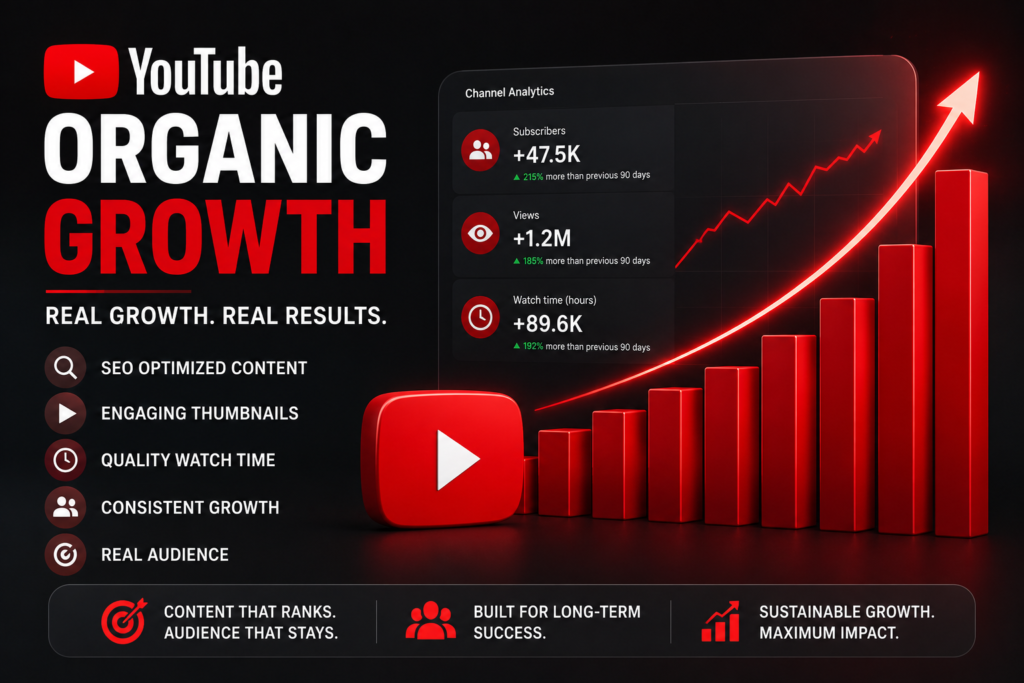
What Organic Growth Really Means
Organic growth is when you get views subscribers and watch time without paying for it. This happens when you rank high in search results when people like your video thumbnails when you upload videos consistently and when you gain the trust of the YouTube algorithm.
However,Here is the good thing about growth: it is real. When someone subscribes to your channel organically it means they found you because they were looking for something like your content. These people will watch your videos longer comment more and stay with you longer. This is the kind of audience that will keep growing over time.https://pixicondigital.com/youtube-organic-growth-vs-paid-management-what-to-pick/
Here is the part that people often forget: organic growth is the foundation of a successful YouTube channel. No amount of money can save a channel if your viewers do not like your content or if your channel is not well-organized.
What Paid Management Actually Covers
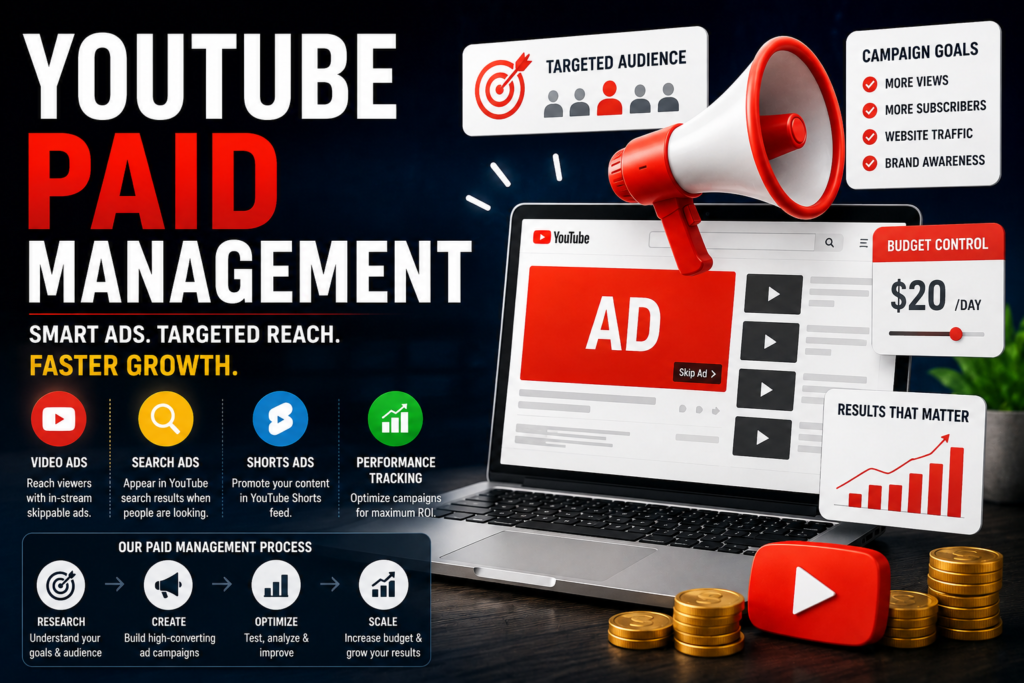
When people talk about paid YouTube management they usually mean running ads, like -roll ads, search ads and Shorts ads. This also includes figuring out who to target, how much to bid, testing ads and watching the results closely.https://ads.google.com/
Sometimes paid management is simpler like boosting one video or sending traffic to a website.
The good thing about paid management is that it can get you results fast. A planned ad campaign can start getting you views and engagement in a matter of days.. Spending money on ads does not automatically mean you will grow your channel. If your targeting is wrong or if your content is not good enough you will just waste your money.
The Differences Between Organic Growth and Paid Management
Here are the differences between growth and paid management:
- Time to results: organic growth takes three to six months while paid management can get you results in days or weeks.
- Cost: organic growth is free. It takes your time and effort while paid management costs money.
- Subscriber quality: organic growth gets you subscribers while paid management can get you mixed results.
- Longevity: organic content can keep getting you views over time while paid ads stop working as soon as you stop paying.
When to Choose Organic Growth
You should choose organic growth if:
- You are still figuring out what kind of content works for you
- You want to build an audience that will stay with you for a long time
- You do not have a lot of money to spend on ads
- You are creating content that will still be relevant in the future like tutorials or educational videos.
To begin with,The minimum you need to do for growth is to upload videos consistently optimize your videos for search and create thumbnails that people will click on.
When to Choose Paid Management
You should choose paid management if:
- You have a video that is already doing well. You want to promote it more
- You have a deadline to meet like a product launch or an event
- You need to get results and you have the budget to test and adjust your ads
- You are in a niche and you need to pay for visibility
You should start with a small budget, like $10 to $20 per day and test your ads to see what works. You should watch your cost per view how much of the ad people. How much each subscriber costs you. You should only scale up your ads if they are working well.
Which Strategy Should You Choose?
The best strategy depends on your goals and budget Choose YouTube Organic Growth for long-term success and a loyal audience or YouTube Paid Management for faster visibility and quick results.
For example, A good starting point is to spend 70% of your effort on creating content and optimizing it for search and 30% on promoting your content with paid ads.
- You have not found a content format that works for you yet
- You have time than money
- You care more about building an audience than getting quick results.