
Every person who does marketing for businesses has had this problem. They start a campaign on Facebook they get a lot of clicks the cost per click looks good…. Then the sales team says that none of those clicks turned into real leads. Leads that are cheap but do not work are not actually cheap. They just move the cost from your ad account to your sales teams time.
This is where LinkedIn does a job. Not because it’s flashy or because the cost per click is low. It is usually higher than other platforms. But because the people who click on your ads are the same people who show up in your customer relationship management system three weeks later as a qualified lead. When your buyers are logging in to LinkedIn to check job changes read industry news and research vendors that is a different situation than scrolling through a feed between vacation photos.
If you are still treating LinkedIn as one more channel instead of your main way to get B2B leads here is a reason to think about it again along with a plan you can use this quarter.
Why LinkedIn Keeps Winning for B2B
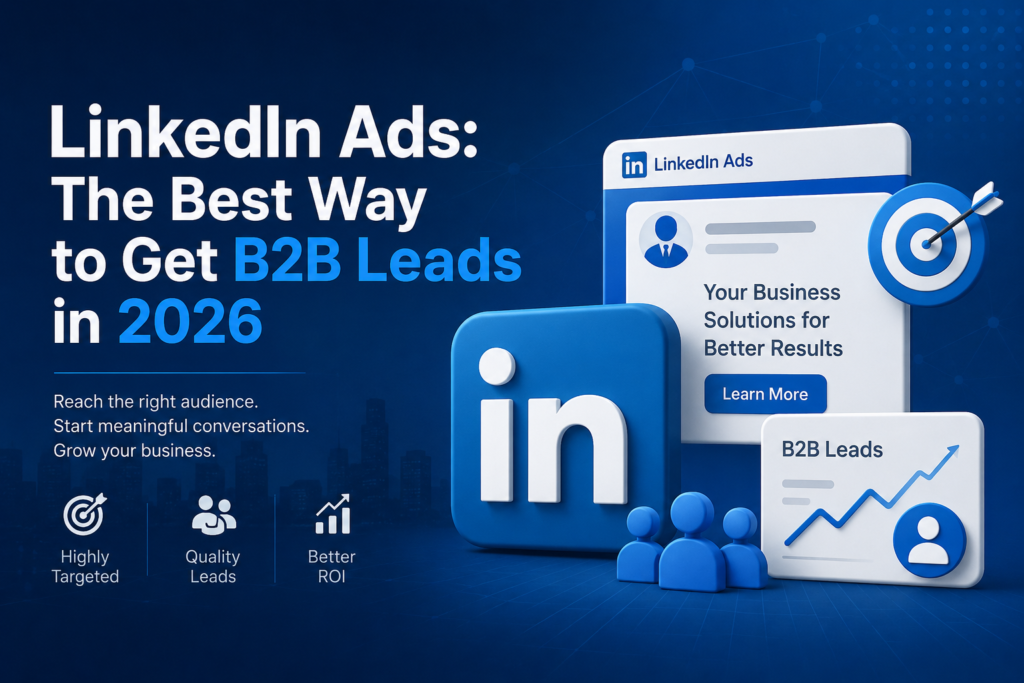
The answer is that LinkedIn is very good at targeting the right people. You can target people based on their job function, seniority, company size and industry in a way that Facebook or Twitter cannot match for an audience. That means you waste money on people who will never buy and more of your budget reaches someone who actually has a title like “VP of Marketing” or “Director of Procurement”.
This precision also shows up on. Shorter sales cycles, because the people you are reaching already look like your buyer and better lead-to-sale conversion than you typically see from broader social platforms. Sponsored Content and InMail also fit the platform better than a banner ad would. People expect a message in their LinkedIn inbox or feed to be professionally relevant so a written InMail does not feel like an interruption. It feels like networking.
If you are running account-based marketing LinkedIn gets even better. You can upload a list of the accounts you actually want to close target the titles inside those accounts and your cost per qualified lead tends to drop. You are not paying to reach anyone outside your actual buying committee.
A Simple Plan that Actually Works
I have seen a lot of teams make LinkedIn strategy too complicated. It really comes down to six steps. If one step does not work the whole thing does not work.
Target. Do not start with a target and narrow it down later. Start with a narrow target. Use job function, seniority, company size, industry all together before you even think about interest-based filters. For account-based marketing upload your account list first. Match titles against it.
Creative. Start with the problem your buyer actually has not your company tagline. Nobody stops scrolling for “leading provider of enterprise solutions”. They stop for a headline that sounds like it was written by someone who understands their Monday morning.
Offer. Pick one thing to ask for. A benchmark report, an assessment, a template. Something with real value. The moment you give people three options to choose from, conversion drops because choice is friction.
Landing page. Whatever you promised in the ad deliver it in the headline of the page.. Keep the form short. Name, work email, company, maybe one qualifying question. Every additional field you add is a tax on your conversion rate so only add fields you will genuinely use.
Tracking. Set up the LinkedIn Insight Tag and Conversion Tracking before you launch, not two weeks in when someone asks for a report and you realize the data is incomplete. This part is boring. Skipping it is the most common reason campaigns “do not work” when really they just were not measured.
Optimization. Test formats against each other instead of guessing. In practice InMail and Sponsored Content tend to be the best for both volume and quality especially once the landing page is working well.. Let your own data confirm that rather than assuming it.
How to Judge ROI
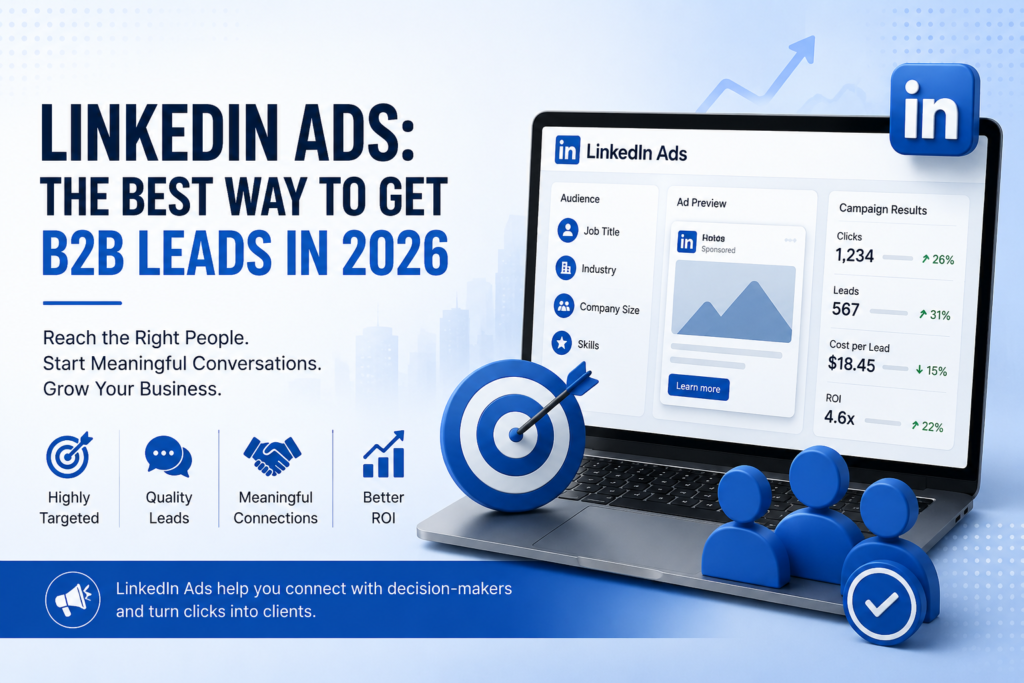
Cost-per-click is not the metric that matters here. Follow the money further: cost per lead then marketing lead rate, then sales qualified lead rate, then pipeline contribution, then closed revenue. B2B deals rarely close off one touch so a single-touch attribution model will lie to you. A multi-touch view.. At minimum first-touch plus last-touch. Gives a much more honest picture of what LinkedIn is actually contributing.
Before You Launch Check This
- Targeting layered across job function, seniority, company size and industry
- Account list uploaded if you are running account-based marketing
- Ad copy opens with the buyers problem, not your pitch
- One offer, one call-to-action. No menu
- Landing page headline mirrors the ad exactly
- Form fields trimmed to the essentials
- Insight Tag and Conversion Tracking live and verified
- At two ad formats running so you can compare
- Attribution model agreed with sales before reporting starts
A Few Terms Worth Knowing
CPL. What you pay per lead. MQL. A lead marketing has qualified as worth pursuing. SQL. A lead sales has accepted as an opportunity. CPQL. Cost per lead the number that actually matters more than raw CPL. ABM. Targeting named accounts instead of a broad audience.
One thing to remember: the benchmarks referenced here are directional not exact. Check LinkedIns platform reports and more importantly your own historical numbers before you set targets. Every industry and audience behaves a little differently.
Where This Leaves You
LinkedIn Ads are not the way to get leads because they are cheap or easy. They are the way because the people you reach are the people who actually make buying decisions and the platforms formats are built for that context. If your current channel mix is heavy on volume and light on pipeline tightening this plan is usually the fix. If you want a set of eyes on your targeting or a benchmark, for what “good” looks like in your industry reach out. We are happy to walk through it.