
Why Most Marketing Copy Fails to Convert
Copywriting that converts is the difference between a website that gets visitors and one that gets customers. Most businesses do not struggle to attract traffic. However, the real challenge is convincing people to take action after they arrive. Whether you are writing emails, landing pages, or ads, copywriting that converts helps turn attention into clicks, leads, and sales. The main goal of writing copywriting that converts is to get people to do something. Every headline, email subject line and call to action is written to do one thing: turn peoples attention into action. This is what it looks like for email landing pages and ads.
What Makes Copywriting That Converts Effective?
Good copy is not about being clever. Instead, it is built on three key principles.
- Clarity. The reader understands what you are offering.
- Relevance. The message is about something the reader cares about.
- Momentum. Every line of copy makes the reader want to do something.
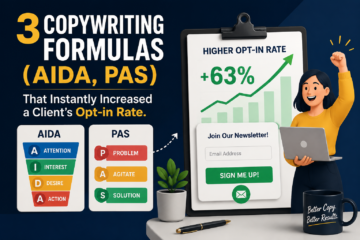
In addition, frameworks such as AIDA, PAS, and FAB give writers a proven structure to follow. However, the key is choosing the right framework for emails, landing pages, or advertisements.
Copywriting That Converts for Emails, Landing Pages, and Ads
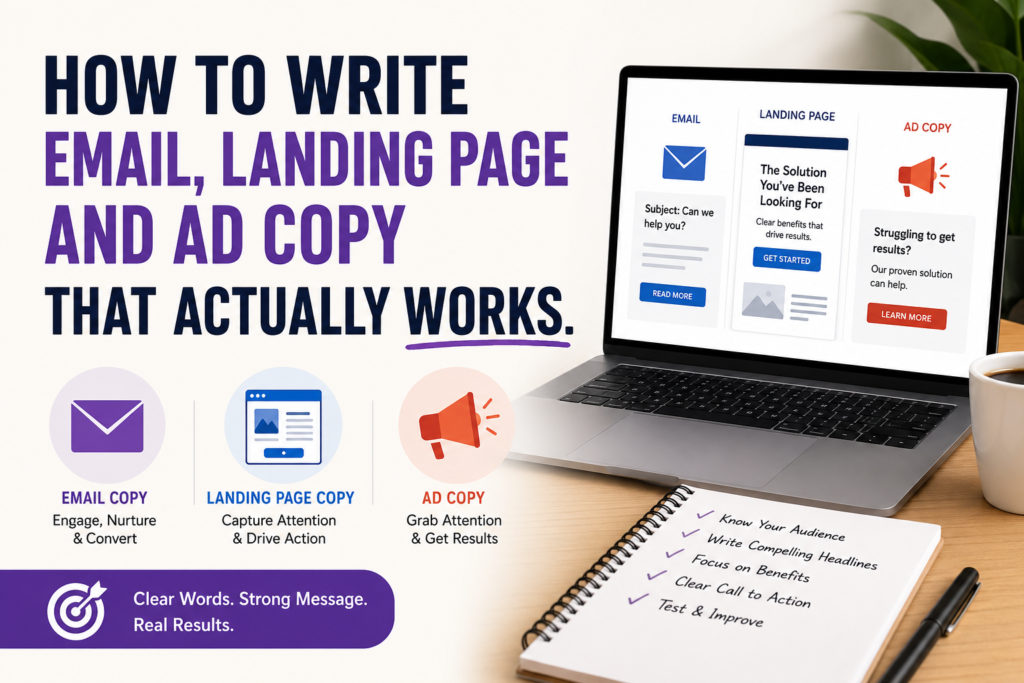
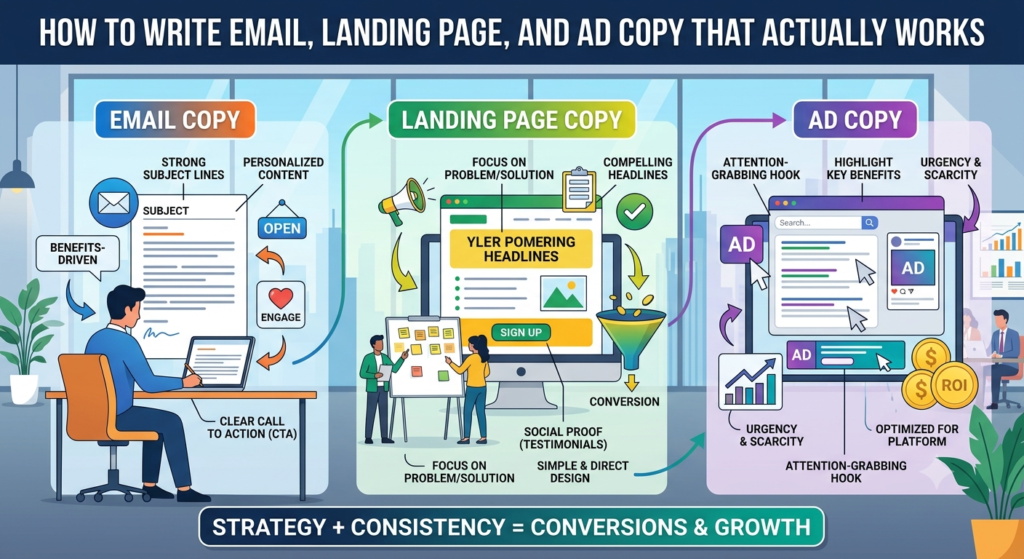
First, email marketing works well with the PAS framework because it allows you to discuss a problem before presenting a solution. Then, you can guide readers toward a clear call to action. Finally, repeating this process with urgency helps improve conversions.
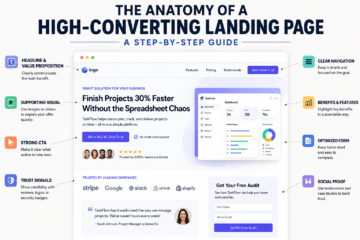
Similarly, landing pages must capture attention within seconds. Therefore, the headline, subheadline, and call to action should clearly explain the value and encourage visitors to continue reading.
Meanwhile, ad copy needs to be short and persuasive. For example, the FAB framework highlights the feature, explains the benefit, and finishes with a compelling call to action.
Copywriting That Converts Templates You Can Use Today
Email sequence template:
- Email 1: hook and problem
- Email 2: make the problem worse add some proof
- Email 3: offer a solution
- Email 4: create a sense of urgency. Ask them to act
Landing page template:
- Headline: what the reader will get
- Subhead: how you will deliver it
- Call to action: what you want them to do
Ad copy template:
- Hook: something that grabs their attention
- Benefit: what they will get
- Call to action: what you want them to do
Why This Is Worth Your Time
The numbers show that good copy is important:
- Email marketing is one of the ways to get a return on your investment.
- Good landing pages can convert up to 20% of visitors.
- Testing versions of copy can increase conversions by 20-80%.
- Small changes to calls to action can increase conversions by 5-15%.
Overall, these improvements do not happen by accident. Instead, businesses test different ideas, measure the results, and continue refining their copy until it performs better.
Measuring What Matters
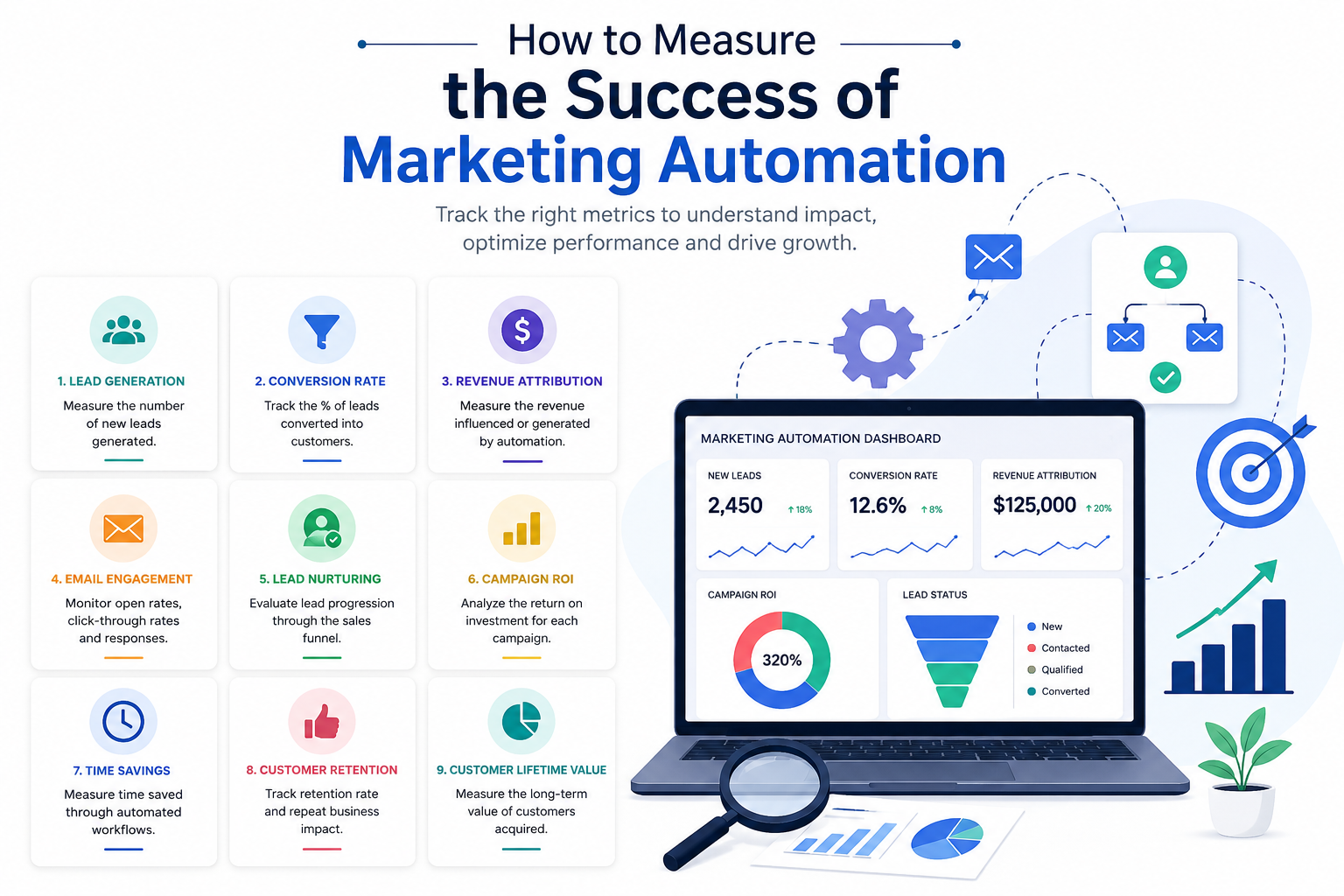
You should always judge copy by its performance rather than how it sounds. For example, track open rates, click-through rates, and conversions for email campaigns. Likewise, monitor bounce rates, time on page, and conversions for landing pages. In addition, measure clicks, costs, and return on investment for advertisements. Finally, test one element at a time, such as the headline or call to action, so you know exactly what improves results.
Making Your Copy Sound Like You
Good copy does not have to sound generic. It can still sound like your brand, email, landing pages and ads. It should be focused on getting people to do something. Do some research, on your audience like talking to customers or reading reviews and use the words they use in your copy.
Ready to See What Works?
Whether you are rewriting a landing page or making an email sequence, the best way to know what will work is to test it.
Get a free copy audit. We will look at your emails landing pages or ads show you where you can improve.