
Building Your Brand on LinkedIn: A Guide to Help You Grow in Your Career
When people search for you on LinkedIn, they usually see your profile first. Significantly, this happens before they even look at your resume or talk to you on the phone. Furthermore, you do not become a brand on LinkedIn by accident. You have to build your LinkedIn brand step by step instead. Consequently, this process includes a strong headline, a compelling story, consistent content, and a network that works for you.
This guide breaks down building your LinkedIn brand into actionable steps. Therefore, you can easily finish these steps over a single weekend. Alternatively, you can also spread them out over thirty days if you prefer. Because each step comes with Templates and Checklists, you can start doing things immediately rather than just reading about them.

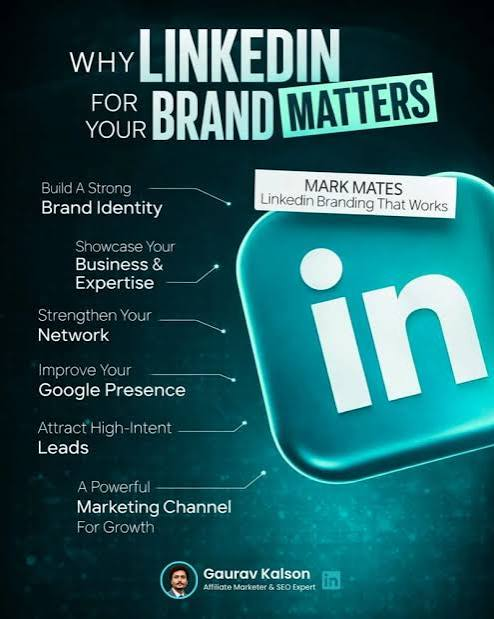
Why Building Your LinkedIn Brand Matters
The numbers show why your LinkedIn brand matters. For instance, seventy percent of recruiters check LinkedIn before they call a candidate. Also, profiles with a photo get up to fourteen times more views than profiles without one. On top of that, complete profiles with the right keywords show up more often in searches. So, if your profile is incomplete or generic, it stays invisible when it matters most.
Module 1: Create a Headline That Stops People from Scrolling
Your headline matters a lot. After all, it shows up in search results, comments, and connection requests. So, don’t just list your job title and company. Instead, say what value you offer. For example, here is a simple template:
Your role helping your audience achieve an outcome through your method or expertise
For instance: “Marketing Manager helping businesses grow through media marketing.”
Headline Checklist
- Includes a target audience or niche
- States an outcome or value
- Contains one to two keywords for your industry
- Stays under 220 characters
- Also avoids buzzwords like “passionate” or “synergy”
Module 2: Write an About Section That Builds Trust
Your About section should show your expertise. However, it should not sound like bragging. Instead, the key is to use examples, not adjectives. So, here is a simple template:
- First, open with the problem you solve or the outcome you deliver
- Then, add two to three sentences on your experience and approach
- Next, include one proof point, like a project or result
- Finally, end with a call to action. In other words, say what you’re open to: opportunities, collaborations, or conversations
About Section Checklist
- Written in a natural, conversational tone
- Includes at least one measurable result
- Uses three to five relevant keywords naturally
- Also ends with a clear next step for the reader
Module 3: Complete Every Section of Your Profile
Overall, a complete LinkedIn profile looks better. In addition, it also gets found more easily. So, at a minimum, your profile should include:
- A professional, branded banner image
- An optimized headline
- An About section with keywords
- Detailed experience entries that highlight outcomes, not just titles
- A Skills section that matches your target role
- Three to five recommendations, to start
- A Featured section with work samples, articles, or media
Module 4: Build a Content Strategy That Shows Your Expertise
Overall, consistency beats volume. For example, if you post every week, you’re more likely to get messages about opportunities. In contrast, random posting won’t build that trust. Over time, steady activity builds credibility.
Content Pillars to Rotate Through
- Lessons learned: a mistake, insight, or “what I’d do differently”
- Industry commentary: your take on a trend or news item
- Behind-the-scenes: a project, process, or decision
- Community value: an answer to a question your audience asks
Posting Cadence Checklist
- First, post one to three times per week, at minimum
- Also, publish one long-form post per month, like an article or carousel
- In addition, comment on three to five posts per week in your niche
- Finally, track which pillar gets the most engagement each month
Module 5: Grow a Network That Is Relevant to You
Overall, a relevant network beats a large one. So, focus on quality first. As a result, this helps with recruiter outreach and industry visibility.
Weekly Outreach Checklist
- First, connect with five to ten people in your target industry or role
- Also, personalize every connection request with a reason
- Then, follow up within a week. Above all, add value, don’t pitch
- Before connecting, engage with target companies’ and leaders’ posts
Module 6: Measure Your Branding Progress
Overall, check these metrics once a month, not every day:
- Profile views. In particular, look at the trend over time, not single-day spikes
- Search appearances
- Post engagement rate (reactions plus comments, divided by impressions)
- Connection acceptance rate
- Inbound messages from recruiters, clients, and collaborators
Quick Reference: The Thirty-Day Branding Challenge
| Week | Focus |
|---|---|
| 1 | Profile overhaul: photo, headline, and About section completeness |
| 2 | Content pillars: publish three posts |
| 3 | Network growth: make fifteen to twenty targeted connections |
| 4 | Engagement and measurement: review metrics. Then, refine your headline and content based on the data |
Final Thoughts
Overall, building your LinkedIn brand is not a one-time task. Instead, you need to keep working on it. So, start with the basics. First, complete your profile. Then, add content. Also, grow your network in a way that makes sense. Finally, check your metrics every month to see what works. Ultimately, if you take these steps, real opportunities will follow. For example, you’ll see messages from recruiters, inquiries from clients, and a reputation that precedes you. In short, your LinkedIn brand matters, so take the time to build it and make it work for you.