
the Ultimate Retargeting Funnel: A Step by Step Setup Guide for Higher Conversions
Most people who visit your website will leave without buying anything. This is not a marketing failure. It is how people make decisions. People need to see your message times and get the right push at the right time. Retargeting is how you do this in a way instead of letting people who are interested in your product forget about you.
Why Matters
It usually takes five to seven times for someone to see your message before they buy something. One ad or one visit to your website is rarely enough. Retargeting helps you focus your budget on people who have already shown interest in your product than trying to convince people who have never heard of you before. Retargeting ads are usually two to ten times more effective than ads.
Retargeting is not something you can just add to your marketing strategy. It is what connects people who’re aware of your product people who are considering buying your product and people who actually buy your product.
Map Your Funnel Stages
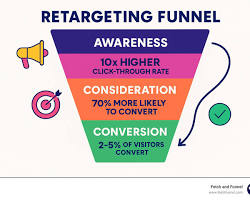
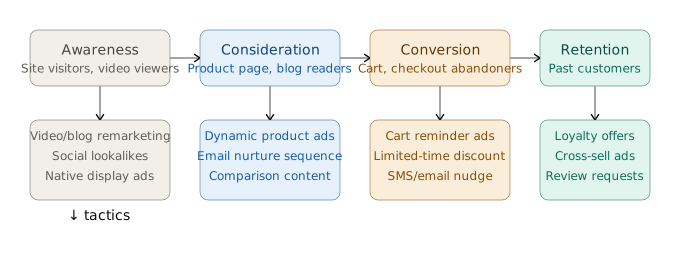
The biggest mistake people make with retargeting is treating all visitors the same. You should build groups of people and messages for each stage:
* Awareness: People who visit your website read your blog or watch your videos but do not do anything else. Your goal is to stay on their mind.
* Consideration: People who look at your product or pricing page. Your goal is to build trust with reviews, comparisons and case studies.
* Conversion: People who abandon their cart or exit your checkout page. Your goal is to create a sense of urgency and make it easy for them to buy.
* Retention: People who have recently bought something from you. Your goal is to sell them something ask for reviews and keep them as customers.
Setup Checklist
1. Make sure your tracking is working. Install pixels or tags for each platform set up conversion events and add server-side tracking as a backup.
2. Build groups of people. Create lists for all visitors product viewers, cart abandoners and past buyers. Always exclude people who have recently bought something from your acquisition campaigns.
3. Match your message to each stage. Do not use the ad for everyone. Use ads that show the exact product someone looked at. This can increase the number of people who click on your ad and buy something by twenty to fifty percent.
4. Sequence your messages. Do not show the ad over and over:
* Days zero to two: send a soft reminder
* Days three to five: add value with reviews and benefits
* Days six to ten: offer a discount or free shipping
* Day ten and after: create a sense of urgency then stop showing ads
5. Use channels. Combine display, email ads. Emails alone can only recover ten to fifteen percent of lost sales. Retargeting ads can capture revenue that emails miss.
Budget and Bidding
Retargeting groups are smaller and warmer than traffic so allocate your budget accordingly. A common split is seventy to eighty percent for acquisition and twenty to thirty percent for retargeting. Once you have conversions switch to conversion-optimized bidding.
Measure What Matters
Track metrics for each stage of just looking at one number. Use click-through rate and frequency for awareness add-to-cart rate for consideration cost per acquisition for conversion and repeat purchase rate for retention. Use -touch data instead of just looking at the last click.
Avoid Ad Fatigue
Ad fatigue is the top reason retargeting campaigns fail. Limit the number of times someone sees your ad to three to five times per week. Rotate your ads every one to two weeks. Set a suppression window so people who do not convert move to lighter-touch messaging.
Common Mistakes
* Using one group and one ad for everyone
* Not excluding existing customers
* Ignoring frequency limits
* Using ads instead of dynamic ads
* Relying on one channel of multiple channels
* Not having a plan to stop showing ads to people who do not convert
Get Started This Week
Check your tracking build four core groups create one ad per stage set frequency limits and launch. Review your results after two weeks using assisted-conversion data.
A retargeting funnel does not have to be complicated. It just needs structure. Match your message to where someone’s in their decision-making process respect their attention with frequency limits and connect your channels so each touchpoint reinforces the last.
The Ultimate Retargeting Funnel: A Step by Step Setup Guide for Higher Conversions
Most people who visit your website will leave without buying anything. This is not a marketing failure. It is how people make decisions. People need to see your message times and get the right push at the right time. Retargeting is how you do this in a way instead of letting people who are interested in your product forget about you.
Why Matters
It usually takes five to seven times for someone to see your message before they buy something. One ad or one visit to your website is rarely enough. Retargeting helps you focus your budget on people who have already shown interest in your product than trying to convince people who have never heard of you before. Retargeting ads are usually two to ten times more effective than ads.
Retargeting is not something you can just add to your marketing strategy. It is what connects people who’re aware of your product people who are considering buying your product and people who actually buy your product.
Map Your Funnel Stages
The biggest mistake people make with retargeting is treating all visitors the same. You should build groups of people and messages for each stage:
* Awareness: People who visit your website read your blog or watch your videos but do not do anything else. Your goal is to stay on their mind.
* Consideration: People who look at your product or pricing page. Your goal is to build trust with reviews, comparisons and case studies.
* Conversion: People who abandon their cart or exit your checkout page. Your goal is to create a sense of urgency and make it easy for them to buy.
* Retention: People who have recently bought something from you. Your goal is to sell them something ask for reviews and keep them as customers.
Setup Checklist
1. Make sure your tracking is working. Install pixels or tags for each platform set up conversion events and add server-side tracking as a backup.
2. Build groups of people. Create lists for all visitors product viewers, cart abandoners and past buyers. Always exclude people who have recently bought something from your acquisition campaigns.
3. Match your message to each stage. Do not use the ad for everyone. Use ads that show the exact product someone looked at. This can increase the number of people who click on your ad and buy something by twenty to fifty percent.
4. Sequence your messages. Do not show the ad over and over:
* Days zero to two: send a soft reminder
* Days three to five: add value with reviews and benefits
* Days six to ten: offer a discount or free shipping
* Day ten and after: create a sense of urgency then stop showing ads
5. Use channels. Combine display, email ads. Emails alone can only recover ten to fifteen percent of lost sales. Retargeting ads can capture revenue that emails miss.
Budget and Bidding
Retargeting groups are smaller and warmer than traffic so allocate your budget accordingly. A common split is seventy to eighty percent for acquisition and twenty to thirty percent for retargeting. Once you have conversions switch to conversion-optimized bidding.
Measure What Matters
Track metrics for each stage of just looking at one number. Use click-through rate and frequency for awareness add-to-cart rate for consideration cost per acquisition for conversion and repeat purchase rate for retention. Use -touch data instead of just looking at the last click.
Avoid Ad Fatigue
Ad fatigue is the top reason retargeting campaigns fail. Limit the number of times someone sees your ad to three to five times per week. Rotate your ads every one to two weeks. Set a suppression window so people who do not convert move to lighter-touch messaging.
Common Mistakes
* Using one group and one ad for everyone
* Not excluding existing customers
* Ignoring frequency limits
* Using ads instead of dynamic ads
* Relying on one channel of multiple channels
* Not having a plan to stop showing ads to people who do not convert
Get Started This Week
Check your tracking build four core groups create one ad per stage set frequency limits and launch. Review your results after two weeks using assisted-conversion data. Edit Post “Recover lost revenue with our automated ad retargeting service” ‹ pixicondigital.com — WordPress
A retargeting funnel does not have to be complicated. It just needs structure. Match your retargeting funnel message to where someone’s, in their decision-making process respect their attention with frequency limits and connect your channels so each touchpoint reinforces the last.