
For years, a strong LinkedIn presence was seen as optional for leaders because many assumed the marketing team could handle it instead of the CEO. However, that thinking no longer applies in today’s market where talent, capital, and customers form critical impressions online before ever meeting a leader. Consequently, a CEO’s personal brand has become a vital asset with direct business impact. Therefore, executive branding must be discussed alongside governance, talent strategy, and investor relations, rather than being treated as a side project.
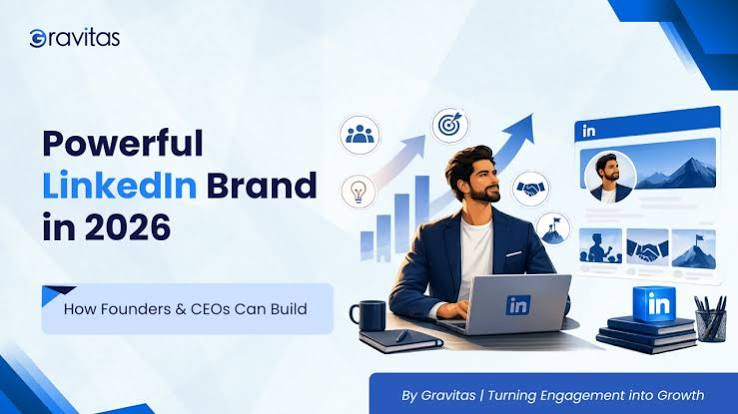
The Business Case, Not the Optics
Many executives avoid LinkedIn. For the most part, they see it as self-promotion. However, the data says otherwise.
In fact, leaders who post often get more engagement than company pages. Why? Simply put, people trust people. Logos don’t build that trust. In addition, investors and partners notice leadership visibility. They weigh it before they commit. As a result, a CEO’s silence can quietly hurt deals.
Furthermore, this effect grows over time. For example, companies with active CEOs often hire faster. They also attract stronger candidates. That’s because job seekers want to see how a leader thinks. They want this before they even apply. In some cases, firms see real interest from talent and investors. This can happen within just three to six months of steady posting.
Even so, a CEO doesn’t need to become an influencer. Instead, it just takes consistency. It also takes honesty and a clear point of view.
What a Personal Brand Actually Signals
First of all, a LinkedIn presence is not about follower counts. Rather, it’s a signal. It points to three things stakeholders care about most.

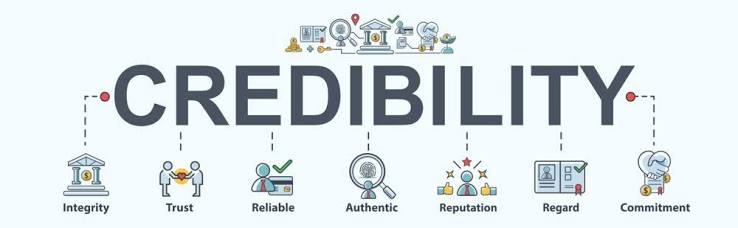
Credibility
To begin with, a CEO’s insight shows command of the business. As a result, this builds trust faster than any press release.
Transparency
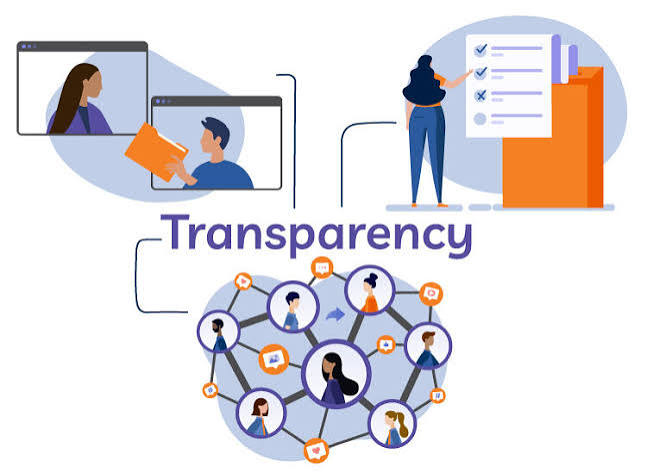
Meanwhile, boards and investors now expect public updates. They see it as part of good governance. Therefore, a CEO who speaks up signals confidence. It also signals openness.
Culture
Similarly, a leader’s voice shapes how people see the company. In fact, one honest post can say more than a whole careers page. It shows what the company truly values.

The Time Objection: Why It Doesn’t Hold Up
Understandably, most executives say they’re too busy to post. However, a strong personal brand doesn’t need daily posts. It also doesn’t need a content team. Instead, try this simple, steady rhythm:
- One or two posts a month, grounded in real experience
- One longer post a month on an industry trend or lesson learned
- A few thoughtful comments each week on other people’s posts
Overall, this takes under an hour a week. Plus, it gets even easier with light support from a communications partner.
Governance First, Not Governance Instead
Above all, good governance sets a strong executive brand apart from a liability. Specifically, that means:
- A light review step for posts touching financials, strategy, or people
- Clear rules on what’s public versus internal
- Alignment between the CEO’s voice and the company’s stated values
Even so, done well, this doesn’t limit authenticity. On the contrary, it protects it. A leader who knows the lines can post freely. They can also post with confidence.
What to Actually Measure
Ultimately, executive branding only earns its place on the agenda when its impact is clear. So, track these things:
- Engagement on leadership posts versus corporate posts
- Inbound interest from candidates, partners, or investors
- Feedback from recruiters and business development teams
- Media or analyst mentions of the CEO’s comments
From Silent Leader to Trusted Voice
Notably, the executives who gain the most aren’t chasing viral posts. Instead, they treat LinkedIn like any other leadership duty. They bring intention and consistency. They also bring a clear sense of what they stand for.
After all, a CEO’s presence sends a signal. This happens whether they mean it to or not. So, the only real choice is this: is that signal built on purpose?
In the end, what does your leadership voice say? Think about talent, investors, and your own team. Ultimately, a modest, steady presence can shift the answer. Backed by real governance, it’s a small step with a big payoff.